Climbing Mont Blanc:
A Practical Guide
Mountain Drop-offs and the Mont-Blanc Massif
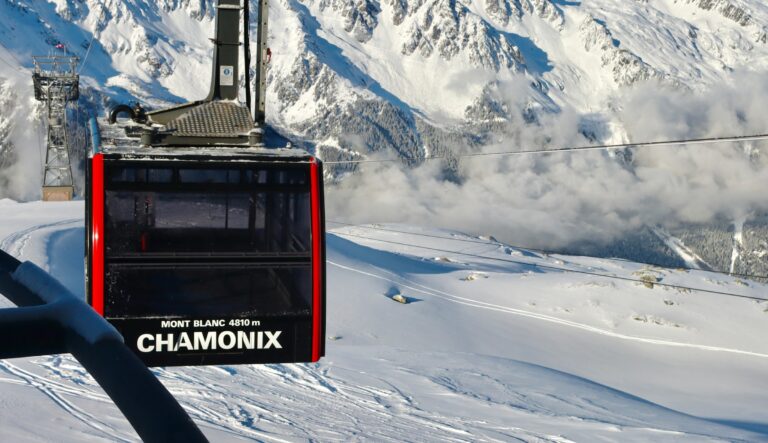
Standing at 4,810 meters, Mont Blanc is the highest peak in Western Europe and a crown jewel for mountaineers worldwide. While its snow-capped dome looks serene from the streets of Chamonix, reaching the summit is a significant undertaking that requires physical stamina, technical preparation, and respect for the high-alpine environment.
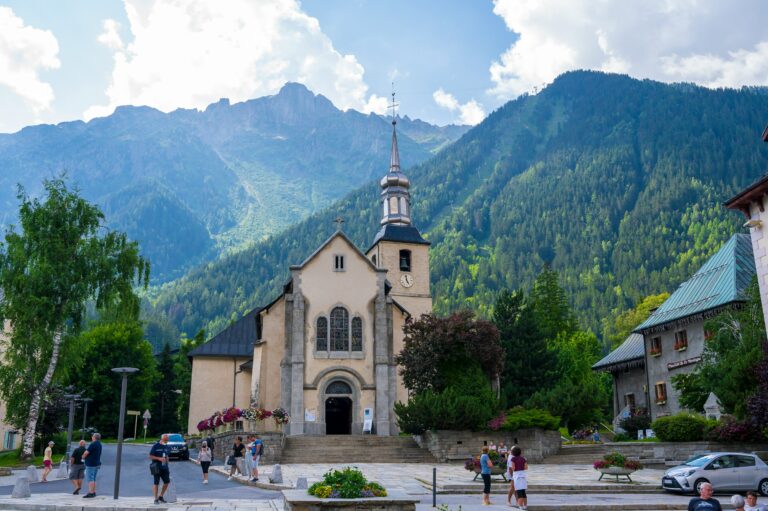
Mont Blanc is the highest mountain in the Alps and one of Europe’s most famous summits. For many visitors, Chamonix is the natural base for an ascent, with mountain guides, equipment shops, lifts, refuges and training routes all close by. To find about more about Chamonix check out our Chamonix Destination Guide.
This guide is for those who are travelling to Chamonix to climb, prepare for, or support someone attempting Mont Blanc. It explains what to expect, how to plan sensibly, and how to get from Geneva Airport to Chamonix with a shared or private door-to-door transfer.
Whether it is a future dream, or are looking for your first major alpine ascent, this guide covers everything you need to know about climbing Mont Blanc.
Important: This article is for general travel planning only. Always follow the advice of your guide, hut guardian, local authorities and current mountain condition reports.
The Experience: What It’s Really Like
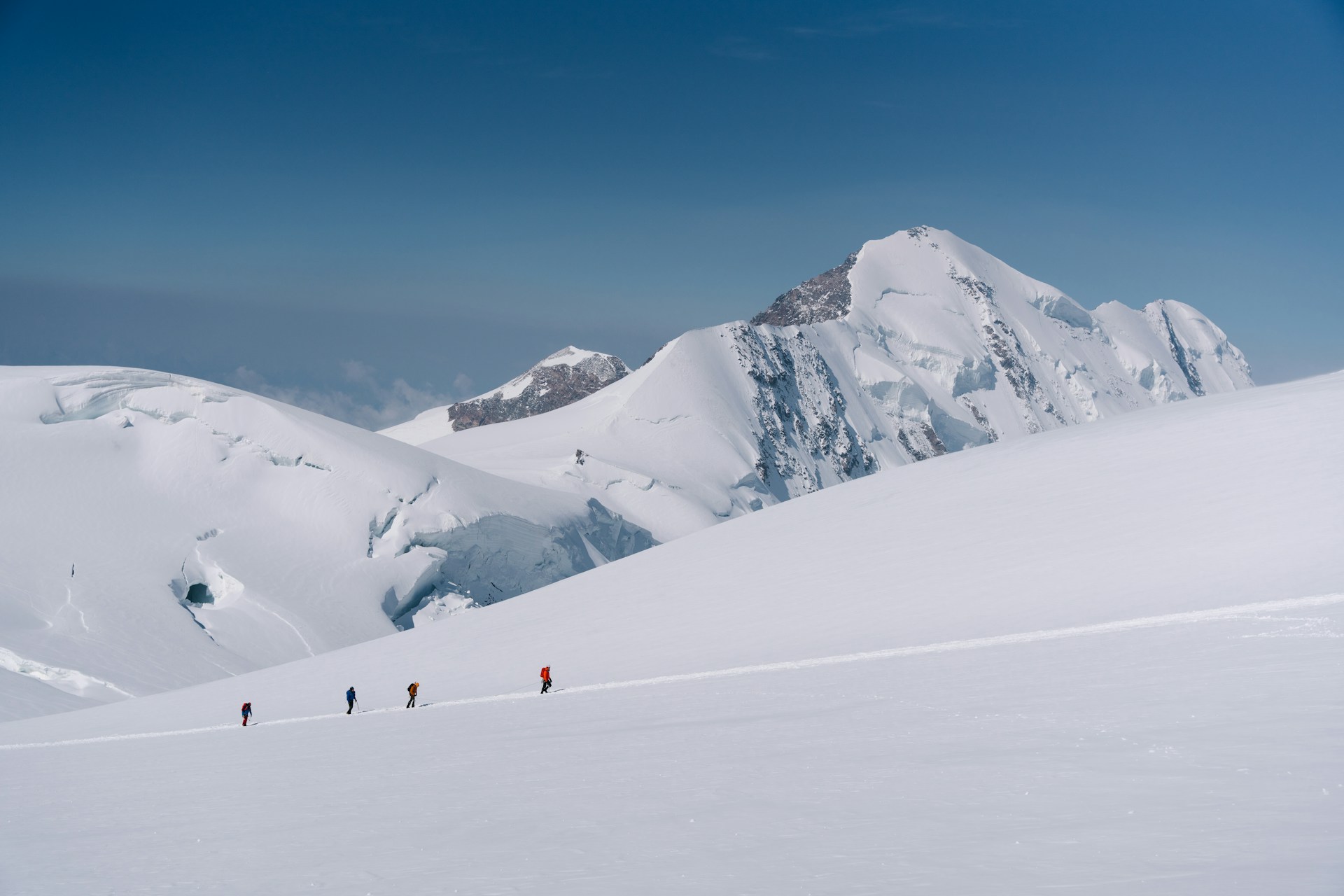
Climbing Mont Blanc is less about a “hike” and more about an endurance-based alpine expedition.
The journey usually begins in the dark, with the rhythmic “crunch-crunch” of crampons on frozen snow and the narrow beam of your headlamp illuminating the path. You’ll experience the transition from the lush green valleys of the Haute-Savoie to a world of rock, ice, and thin air.
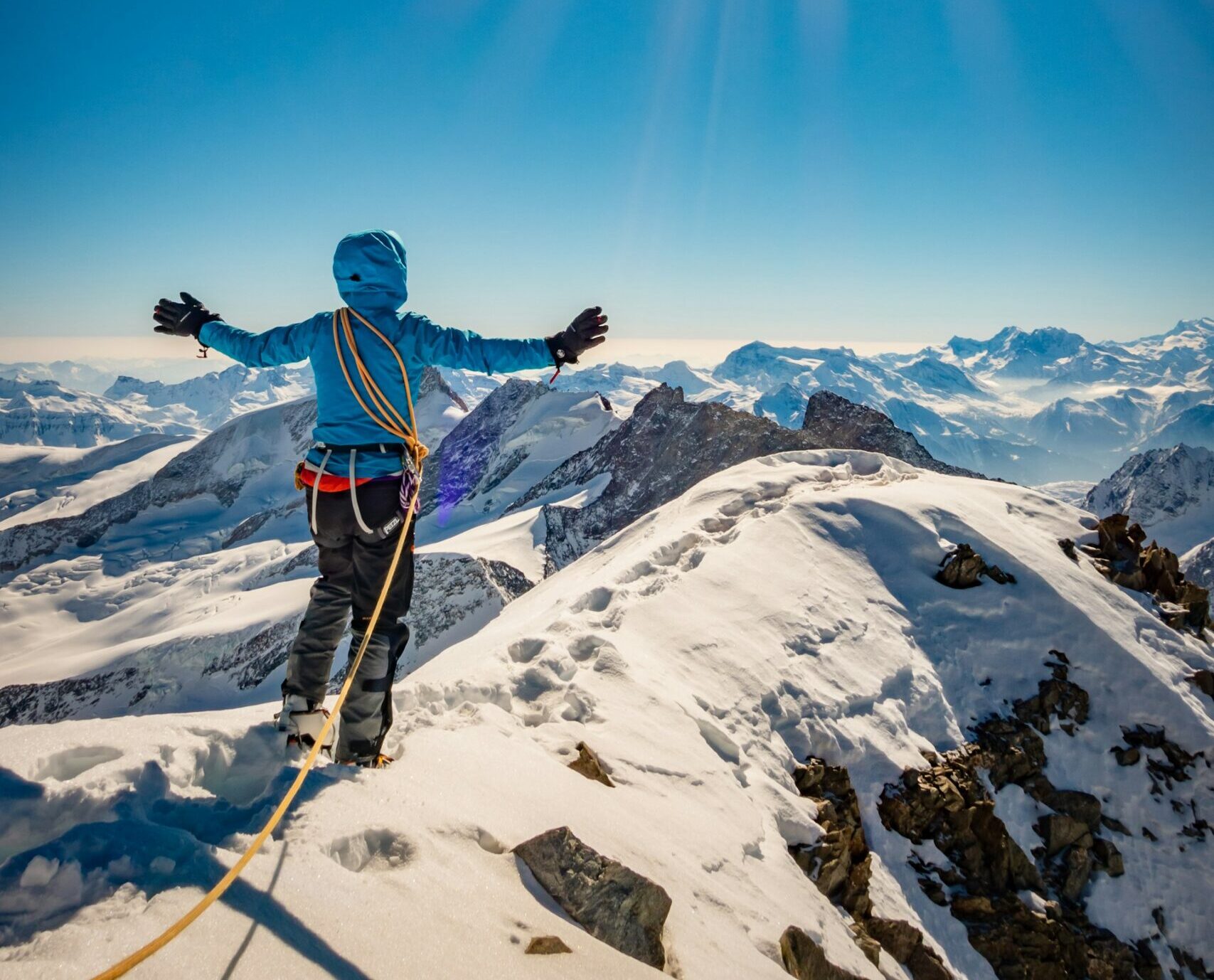
The highlight for many is the Bosse Ridge—a narrow, snowy spine leading to the summit. As the sun rises over the Italian and French Alps, the shadow of Mont Blanc stretches for miles across the landscape, providing a moment of profound silence and achievement that stays with you forever.
Key takeaways
- Mont Blanc is an alpine climb, not a walk. The route involves altitude, glaciers, crampons, ropes, exposure and changeable weather.
- Most summer ascents are planned between June and September. This is when huts and lift access are usually available, although conditions vary each year.
- Acclimatisation is essential. Guided programmes usually include preparation days before the summit attempt.
- Hut bookings must be arranged in advance. The normal route uses regulated refuges such as Tête Rousse and Goûter.
- Geneva Airport is the most convenient gateway for Chamonix. Mountain Drop-offs provides shared, private and VIP transfers from Geneva Airport to Chamonix and the wider valley.
On this page
What is Mont Blanc?
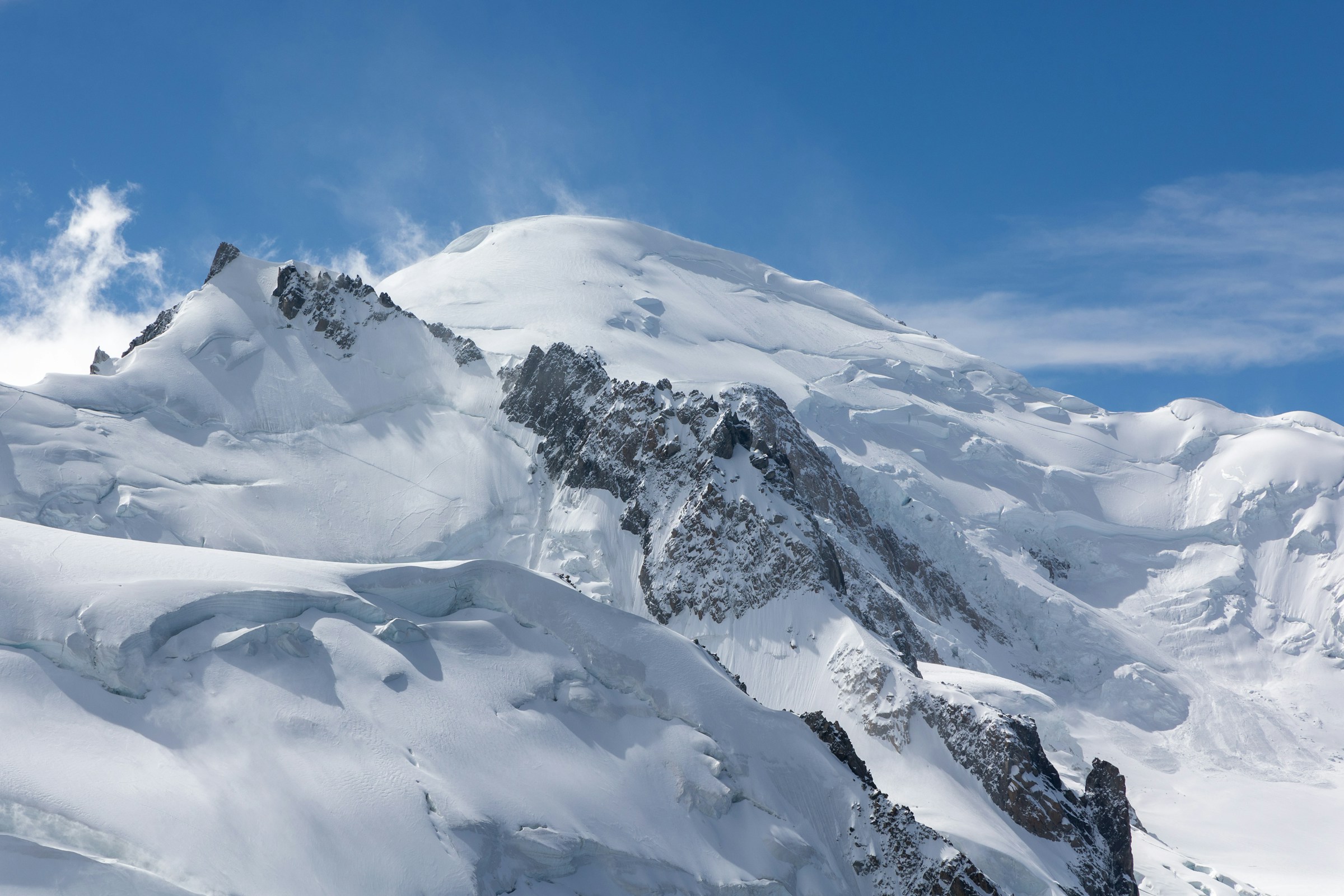
Mont Blanc is the highest summit in the Europe, rising to around 4,810 metres. It sits above the Chamonix valley and forms part of the wider Mont Blanc massif, a high-mountain area of glaciers, ridges, rocky peaks and long-established climbing routes.
Chamonix has been closely linked with Mont Blanc mountaineering for generations. The town is home to guiding offices, alpine training providers, lift access, mountain huts and shops that specialise in technical equipment.
That accessibility is one reason Mont Blanc is so popular. It is also why the climb can be underestimated. The mountain is close to town, but the summit is still a serious alpine environment.
Is climbing Mont Blanc difficult?
Yes. Climbing Mont Blanc is physically demanding and environmentally exposed to serious terrain and weather conditions , albeit not a high technical grade (route depending). Even the most commonly used routes require strong fitness, basic mountaineering skills and the ability to move safely in high-alpine terrain.
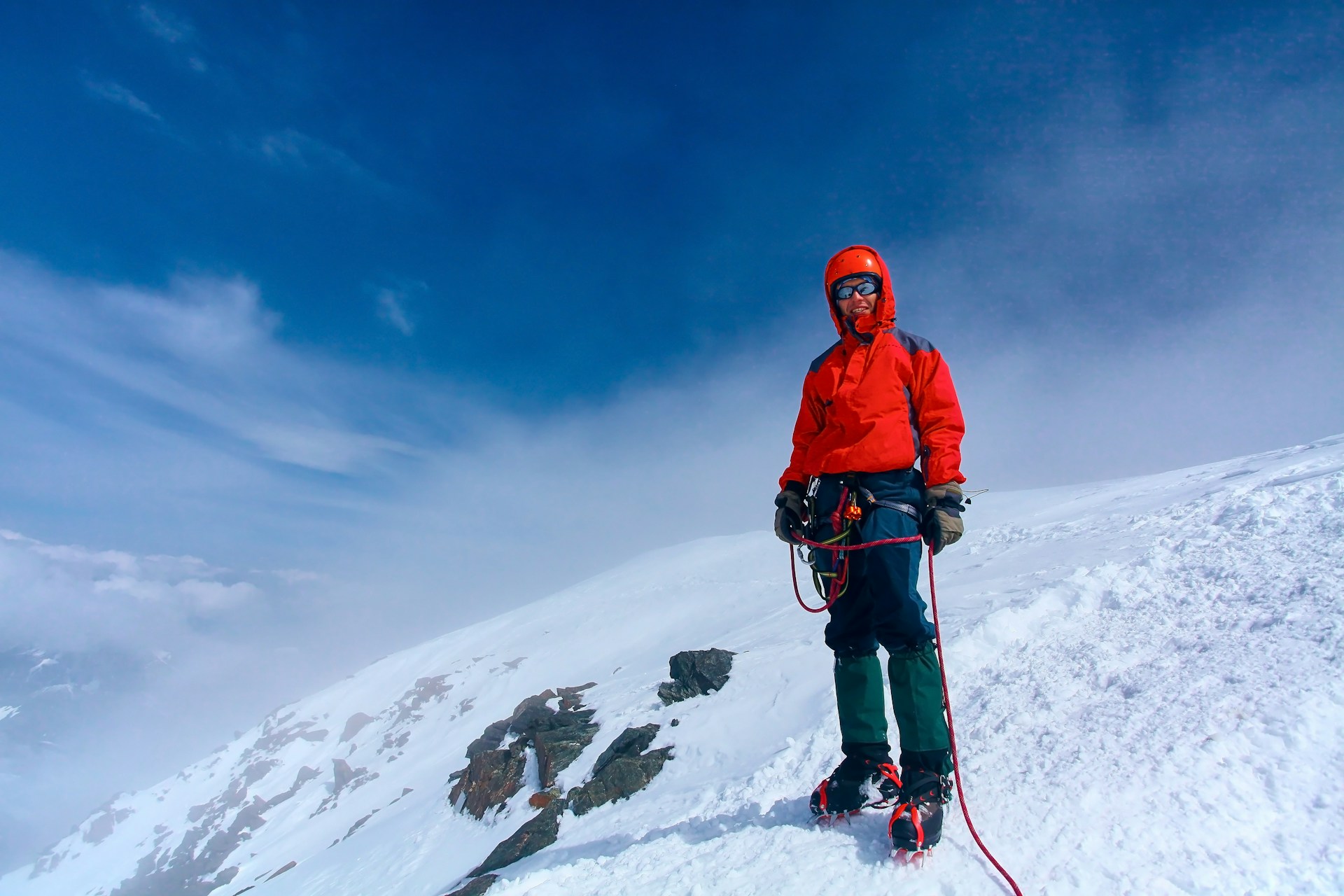
The main challenges include altitude, glacier travel, crevasses, rockfall, cold, wind, early starts and fatigue. Therefore , good fitness is important, but it is not enough on its own. Climbers also need to be comfortable wearing crampons, using an ice axe, moving roped together and following instructions quickly and calmly.
Who should attempt Mont Blanc?
Mont Blanc is usually suitable for people who already have some mountain experience, good endurance and enough time to acclimatise properly.
Mont Blanc may be suitable if you:
- regularly hike or climb in the mountains;
- are comfortable with long uphill days;
- have used crampons and an ice axe before, or are joining a course that teaches these skills;
- can follow a guide’s instructions in exposed terrain;
- are prepared to turn back if conditions are not right.
A guided preparation course is often the safest route for first-time alpinists. Many Mont Blanc programmes include acclimatisation and training days before the summit attempt, rather than going directly to the top.
Best time to climb Mont Blanc
The main summer climbing season is usually June to September. This is when climbers can normally benefit from mountain hut services and lift access, although exact opening dates and conditions change each year.
June can offer good snow cover, but conditions may still feel wintry. July and August are the busiest months, with more established hut and lift operations but also more people on the routes. September can be quieter, but conditions may become icier and some infrastructure starts to wind down later in the month.
Spring ski ascents are different. Ski-touring ascents are generally planned earlier in the year, but this is a separate objective requiring ski touring skills, avalanche awareness and appropriate conditions.
The best time is not just a month on the calendar. It is the period when your fitness, acclimatisation, guide availability, hut booking, weather window and mountain conditions all line up.
Main routes to the summit
There are several routes up Mont Blanc. None should be treated as easy.
The Goûter Route, or Classic Route
The Goûter Route is the most commonly used route from the French side. It usually starts from the Saint-Gervais or Les Houches side, with access towards Nid d’Aigle using the Bellevue lift and Tramway du Mont-Blanc when operating.
From Nid d’Aigle, climbers continue towards the Tête Rousse hut, then climb the Aiguille du Goûter to reach the Goûter hut. From there, the route continues over glacier terrain via the Dôme du Goûter, the Vallot shelter area and the Bosses ridge before reaching the summit.
This is the “normal” route, but it is still a serious climb. The Goûter couloir is exposed to rockfall, and the upper mountain requires steady movement on snow and ice.
- Difficulty: Alpine Grade PD (Peu Difficile / Slightly Difficult).
- Key Challenge: Crossing the “Grand Couloir,” famous for potential rockfall.
The Trois Monts Route
The Trois Monts Route is generally approached from the Aiguille du Midi side of Chamonix. It usually passes via Mont Blanc du Tacul and Mont Maudit before reaching Mont Blanc.
This route is more technical and more exposed to serac, avalanche and steep snow hazards. It is normally suited to experienced alpinists or guided teams in suitable conditions.
- Difficulty: Alpine Grade PD+.
- Key Challenge: It is more physically demanding and involves steeper ice sections than the Goûter route.
The Grands Mulets Route
The Grands Mulets Route has historic importance and is often associated with spring ski-mountaineering ascents.
It is not a simple alternative to the normal route. Glacier conditions, crevasses, avalanche risk and serac exposure all need careful assessment.
How to prepare for climbing Mont Blanc
A good Mont Blanc plan starts well before you arrive in Chamonix. The more prepared you are, the more realistic and safer your summit attempt becomes.
Build endurance
You need to be comfortable with long days on your feet. Training should include hill walking/ stair climbing with a loaded pack, long distance trail running or hiking, steady zone 2 cardio and back-to-back training days.
A useful goal is to feel comfortable gaining significant height over several hours while carrying a day pack. Summit day can be long, cold and tiring, so you need enough reserve to descend safely.
Practise technical skills
You should know how to walk in crampons, use an ice axe, wear a harness, move on a rope and follow basic glacier travel procedures.
If you do not already have these skills, book a mountaineering course before your ascent. Many guided Mont Blanc programmes include training and acclimatisation days for this reason.
Pro Tip: Many aspirants book a 5-day “Summit Course” which includes 3 days of acclimatization and technical training on nearby peaks like the Gran Paradiso before attempting Mont Blanc.
Acclimatise properly
Acclimatisation gives your body time to adapt to altitude. Going too high too quickly can increase the risk of altitude sickness and reduce your chance of success.
A sensible plan includes time at altitude before the summit attempt. This might involve training climbs, nights in huts, or high-mountain days chosen by your guide.
Keep your plan flexible
Mont Blanc is not a guaranteed summit. Weather, wind, heat, snow, rockfall or poor visibility can change the plan.
Build spare days into your trip if you can. If the summit is not sensible, Chamonix has many lower-altitude and training objectives that can still make the trip worthwhile.
Huts, bookings and regulations
Hut reservations are essential on the normal route. Places are limited, and the booking system is managed through the official FFCAM Mont Blanc normal route portal.
For the Goûter Route, the key refuges include Tête Rousse and Goûter. Do not assume you can turn up without a reservation. Check the official booking process, rules, cancellation terms and ID requirements before confirming your travel.
Camping and bivouac rules are also restricted around the normal route. Always check the current official information before planning to sleep outside a hut.
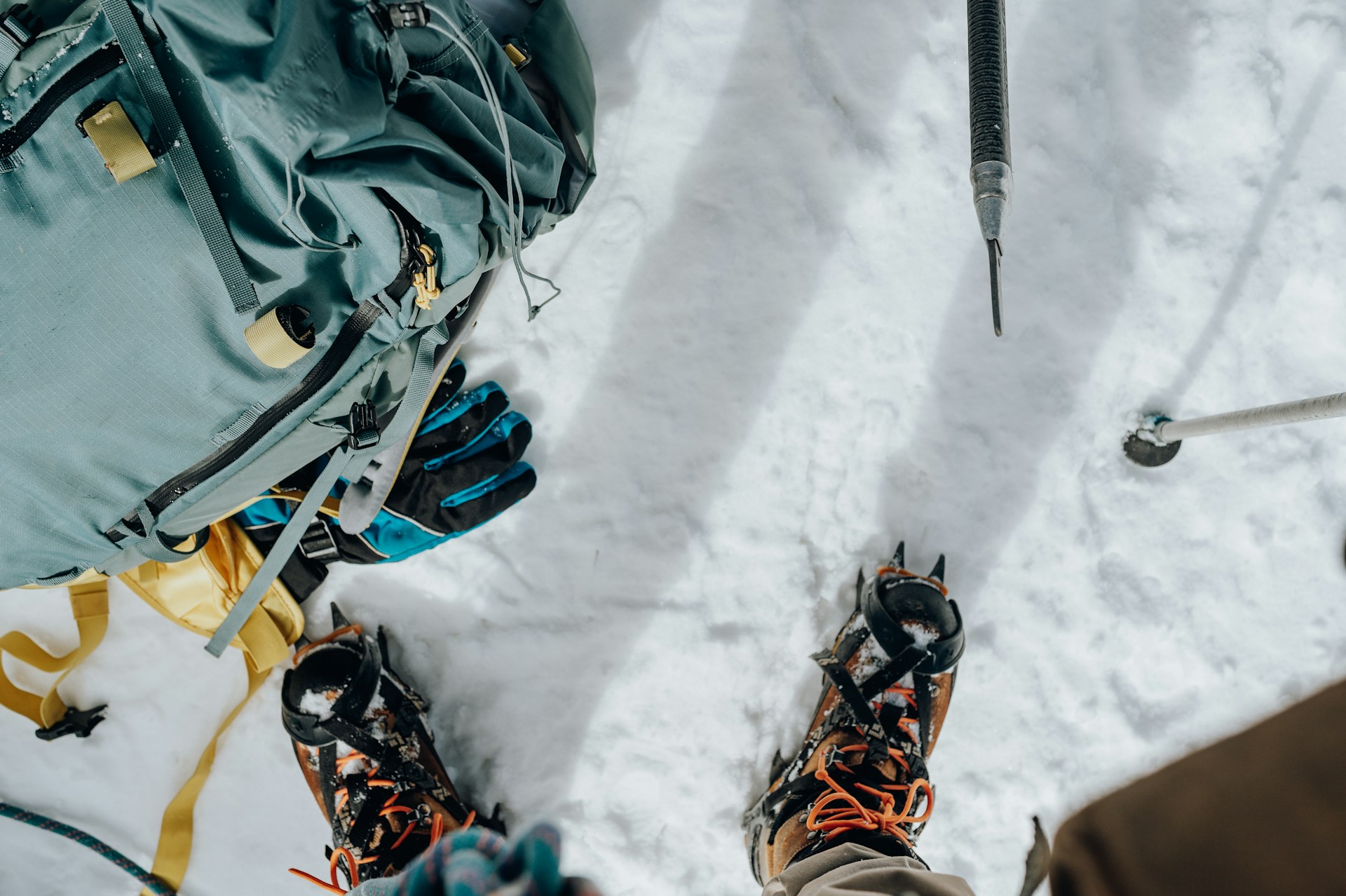
What equipment do you need?
Your guide or course provider should give you the final kit list. The exact equipment depends on the route, season, weather and programme.
As a general guide, Mont Blanc kit often includes:
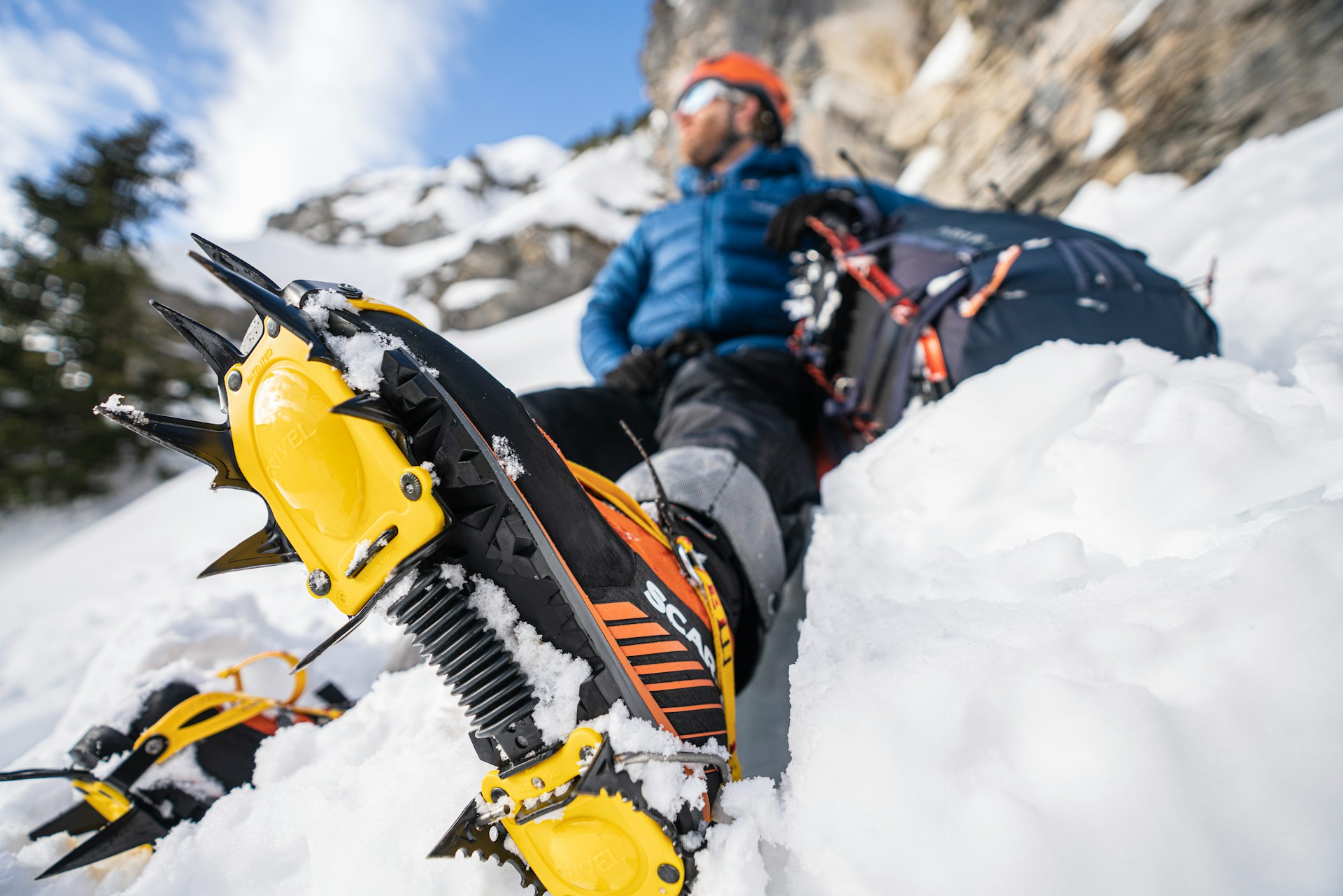
- Footwear – B2 or B3 rated Mountaineering boots compatible with 12-pint steel mountainineering crampons (ideally with anti-balling plates)
- Technical kit – Ice axe, harness, helmet, rope system ( Required for glacier and alpine terrain)
- Clothing – Base layers, insulation, waterproof shell, gloves, hat
- Sun protection – Category 4 sunglasses, SPF 50+ sunscreen, lip protection as the UV exposure is strong at altitude and on snow
- Food and drink – Water, snacks, simple high-energy food for long physically demanding summit days.
- Safety items – Headtorch, transceiver, phone, emergency contacts. Do not leave kit decisions until the last day. Chamonix has excellent equipment shops, but sizes and specialist items can be limited during busy periods.
Should you climb Mont Blanc with a guide?
Most visitors should climb Mont Blanc with a qualified high-mountain guide. This is especially true if you are not already an experienced alpinist.
The Chamonix Valley is home to the world’s oldest guiding company. Hiring a UIAGM/IFMGA certified guide significantly increases your chances of success and safety. A guide helps with route choice, pacing, rope work, acclimatisation, weather interpretation and safety decisions. They also know when to turn around, which is one of the most important skills on Mont Blanc.
Independent ascents are only suitable for competent alpinists with recent glacier experience and the ability to manage high-mountain hazards themselves.
How to get to Chamonix to climb Mont Blanc
Your Mont Blanc adventure begins long before you put on your boots. The easiest way to reach Chamonix for a Mont Blanc trip is to fly into Geneva Airport (GVA) and book a door-to-door transfer. Geneva Airport is the most common gateway for Chamonix, and Mountain Drop-offs provides shared, private and VIP transfers directly into the Chamonix valley.
A Geneva to Chamonix transfer normally takes around 1 hour 15 minutes to 1 hour 30 minutes, depending on traffic, weather and your final drop-off point.
To ensure you arrive rested and ready for the challenge, booking a reliable airport transfer to Chamonix is the best way to start your expedition. Professional drivers handle your heavy gear bags and drop you directly at your accommodation, allowing you to focus entirely on the mountain ahead.
Mountain Drop-offs can take you to almost any destination within the Chamonix Valley (including Les Houches, Argentière). This is useful if your guide meeting point, accommodation or route plan is based outside central Chamonix.
Why book a Mountain Drop-offs transfer for a Mont Blanc trip?
- Door-to-door travel: Go directly from Geneva Airport to your hotel, chalet, apartment or nearest safe access point.
- Shared and private options: Choose a shared transfer for value or a private transfer for the most direct journey.
- Useful for mountain luggage: Mountain Drop-offs vehicles are used to Alpine travel and mountain equipment, provided luggage is declared correctly when booking.
- Flight-aware planning: Add your flight details so the team can plan around your arrival time.
- Local experience: Mountain Drop-offs has been operating airport transfers in the Alps for over 20 years.
For many climbers, a transfer is the simplest first step of the trip. You land at Geneva Airport, meet the Mountain Drop-offs team, load your bags, and travel straight to your accommodation in the Chamonix valley.
Book a Geneva to Chamonix transfer or compare Mountain Drop-offs shared, Flexi, private and VIP transfer options.
Mont Blanc trip planning checklist
| Before you travel | What to confirm | Why it matters |
|---|---|---|
| Guide or course | Dates, meeting point, included equipment and prerequisites | Your guide shapes the whole ascent plan. |
| Accommodation | Chamonix, Les Houches, Argentière or nearby village | Your transfer and mountain access depend on your base. |
| Hut bookings | Tête Rousse, Goûter or route-specific refuges | Normal route places are limited and regulated. |
| Equipment | Boots, crampons, helmet, harness, clothing | Missing kit can stop the climb before it starts. |
| Insurance | Mountaineering and rescue cover | Standard travel insurance may not cover Mont Blanc. |
| Airport transfer | Flight number, luggage, destination address | This helps Mountain Drop-offs plan your arrival smoothly. |
FAQs about climbing Mont Blanc
Can beginners climb Mont Blanc?
Mont Blanc is not recommended as a first mountain for complete beginners. It is a high-alpine climb requiring fitness, acclimatisation and technical skills. If you are new to mountaineering, take a course first and consider a guided programme with preparation days.
How long does it take to climb Mont Blanc?
The summit attempt normally takes around 2-3 days on its own but many guided programmes last around five or six days because they include training and acclimatisation beforehand.
What is the best month to climb Mont Blanc?
The main summer season is usually June to September. The best time depends on current snow, weather, hut openings, lift access and your acclimatisation plan.
Do I need to book huts for Mont Blanc?
Yes. If you are using the normal route, hut bookings are essential and should be made through the official FFCAM Mont Blanc normal route booking portal. It should be noted that huts fill up fast and well in advance so advanced booking is highly recommended. However, if you have booked a guide or though a guiding company they will normally make the reservations for you, but it would be worth checking!
Is Mont Blanc dangerous?
Yes, all mountaineering carries risk! Mont Blanc has real high-mountain hazards. These include altitude sickness, crevasses, rockfall, and rapidly changing weather. Good preparation and conservative decision-making are essential.
Can I climb Mont Blanc without a guide?
Only experienced alpinists with recent glacier and high-altitude experience should consider an independent ascent. Most visitors should book a qualified high-mountain guide.
What airport should I fly into for Mont Blanc?
Geneva Airport is the most convenient airport for most Chamonix trips. Mountain Drop-offs runs shared, private and VIP transfers from Geneva Airport to Chamonix and the wider valley.
How long is the transfer from Geneva Airport to Chamonix?
The transfer usually takes around 1 hour 15 minutes to 1 hour 30 minutes, depending on traffic, weather and your final address in the Chamonix valley.
Can Mountain Drop-offs take me to Les Houches for the Goûter Route?
Yes. Mountain Drop-offs provides transfers across the Chamonix valley, including Les Houches. Add the correct accommodation or meeting point address when booking.
Trusted sources
- La Chamoniarde: Mont Blanc ascent information and safety advice
- FFCAM: official Mont Blanc normal route refuge booking portal
- Compagnie des Guides de Chamonix: Mont Blanc ascent information
- Mont Blanc Guides: Mont-Blanc Course Specialists
- Mountain Drop-offs: Geneva to Chamonix transfers
- Mountain Drop-offs: Geneva Airport transfer options
Start your Mont Blanc trip with a simple Geneva to Chamonix transfer
Flying into Geneva for a Mont Blanc climb? Mountain Drop-offs provides shared, private and VIP transfers from Geneva Airport to Chamonix, Les Houches, Argentière and the wider Chamonix valley.